
Vampire Hair Restoration
Your Own Blood.
Remarkable Results.
A natural, safe and highly effective solution for thinning hair
More than 50% of men will experience some form of hair loss after 50, and thinning hair affects women at any age — due to pregnancy, stress, hormonal shifts or health conditions. Thinning hair can be devastating, affecting confidence and quality of life.
Vampire Hair Restoration utilises your own blood — rich in healing and growth factors — to stimulate new hair growth and thicken existing hairs, naturally.
- All-natural — uses your own platelet-rich plasma (PRP)
- Stimulates new hair growth and thickens existing hair
- Safe for both men and women
- 30%+ refollicularization reported in clinical studies
- No downtime — return to normal activity the same day

What is Vampire PRP Restoration?
PRP (platelet-rich plasma) is a concentrated preparation of your own growth factors extracted from your blood. Platelets release enzymes that attract powerful stem cells to repair and regenerate target tissue — including hair follicles.
The PRP "cocktail" is full of growth factors that penetrate the scalp for optimal efficacy. This process — called refollicularization — stimulates dormant follicles back into an active growth phase for renewed, thicker hair.
Stem cells or exosomes can be added to the PRP cocktail — or used alone — to further amplify results. PRP has the proven ability to regrow collagen, enrich fibrin, and aid in the formation of new blood vessels around the follicle.
Six Simple Steps
A quick, comfortable 45-minute procedure using only your body's own platelets. No synthetic chemicals, no surgery.
A topical numbing cream is applied to the scalp to ensure your comfort throughout the procedure.
A small amount of blood is drawn and placed into a centrifuge — the same quick process used in standard blood tests.
After centrifugation, the platelet-rich plasma is concentrated and drawn into a syringe, ready for application.
The scalp is numbed and lightly cleansed to prepare treatment areas for optimal PRP penetration.
Using a tiny needle, PRP is injected strategically into scalp areas needing improvement — precisely targeting affected follicles.
Remaining PRP is applied topically and the treated areas are microneedled to ensure optimal absorption and penetration.
Is PRP Right For You?
PRP is derived from your own body, making it suitable for almost anyone. It works best when hair loss is caught early — follicles that haven't been dormant too long respond most readily to stimulation.
Ideal candidates include those with:
- Pattern hair loss (Norwood I–IV for men, Ludwig I–II for women)
- Thinning hair or reduced hair density
- Hereditary history of hair loss
- Alopecia — various types and stages
Everything You Need to Know
From how many sessions you'll need to when you can expect to see results — your most common questions about Vampire PRP Hair Restoration, answered.
When can I expect to see results?
Within about a month you will notice baby hairs coming in. Peak growth is typically reached at 3 months post-procedure, and hair will continue to grow and thicken over 12–15 months.
How many treatments will I need?
How long do results last?
Is the treatment painful? What's the downtime?
Can I use other hair growth products alongside PRP?
How does PRP compare to other hair loss treatments?
What the Research Says
Recent peer-reviewed studies confirm that PRP therapy delivers measurable results for hair restoration:
Men with male-pattern baldness who had seen little change from approved medications experienced approximately 30% more growth in thinning areas after just four PRP treatments.
View Study →Male patients showed increased hair count and density in areas where PRP therapy was applied — confirming the treatment's efficacy for androgenic alopecia.
View Study →Before & After
Vampire PRP Hair Restoration results from ChillRx clients. Individual results may vary.
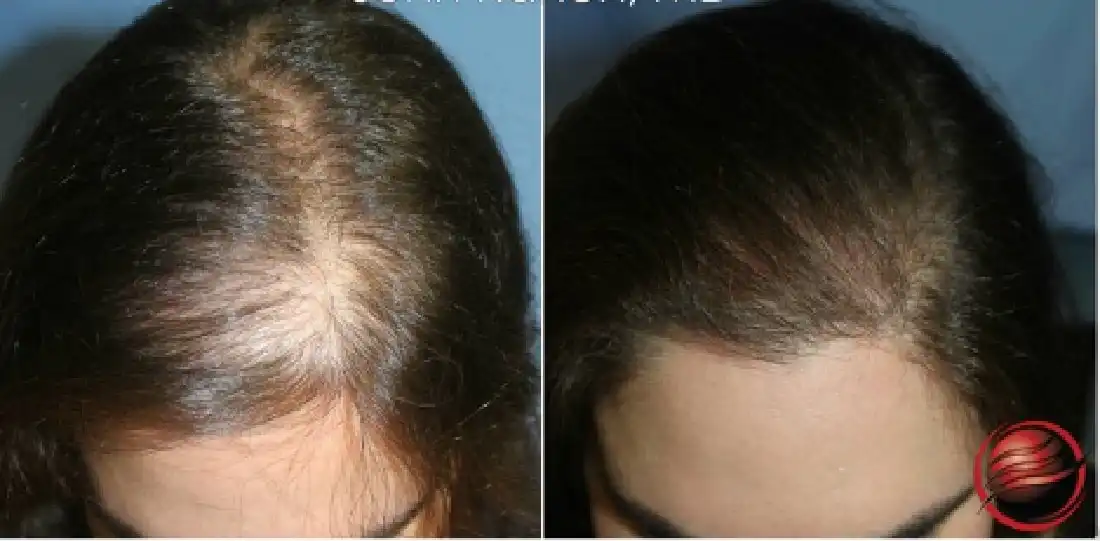
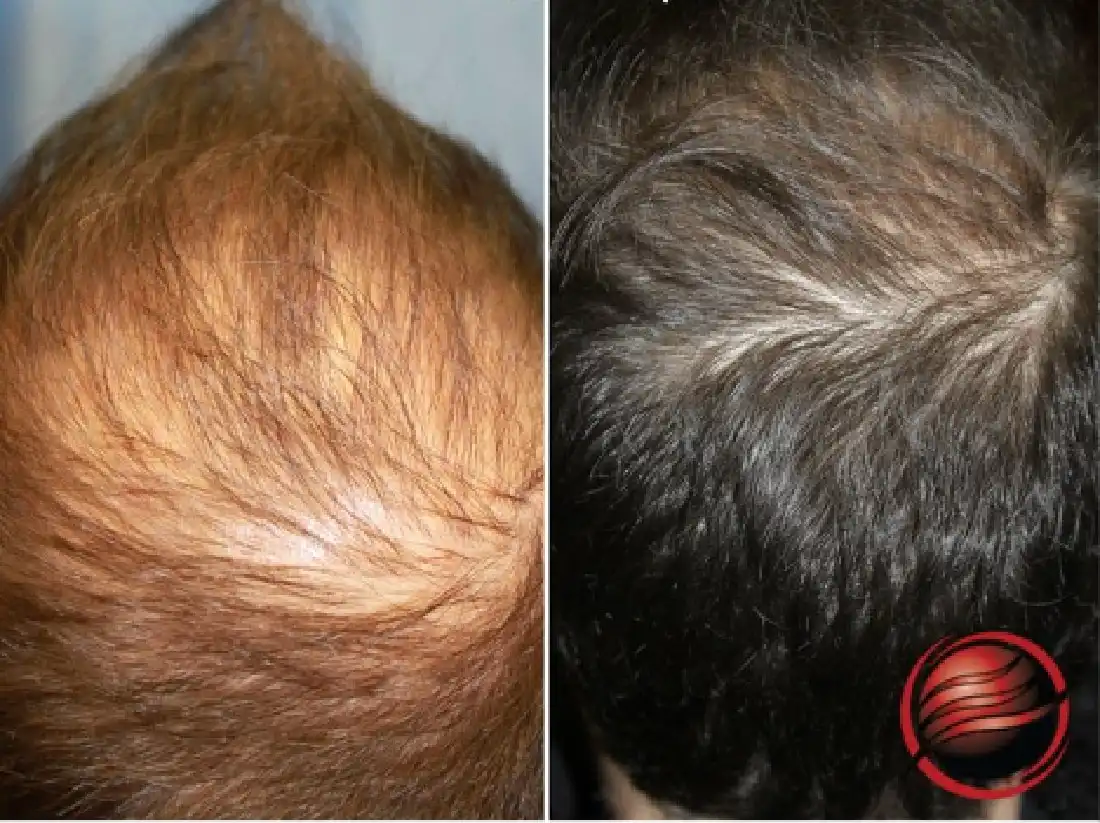
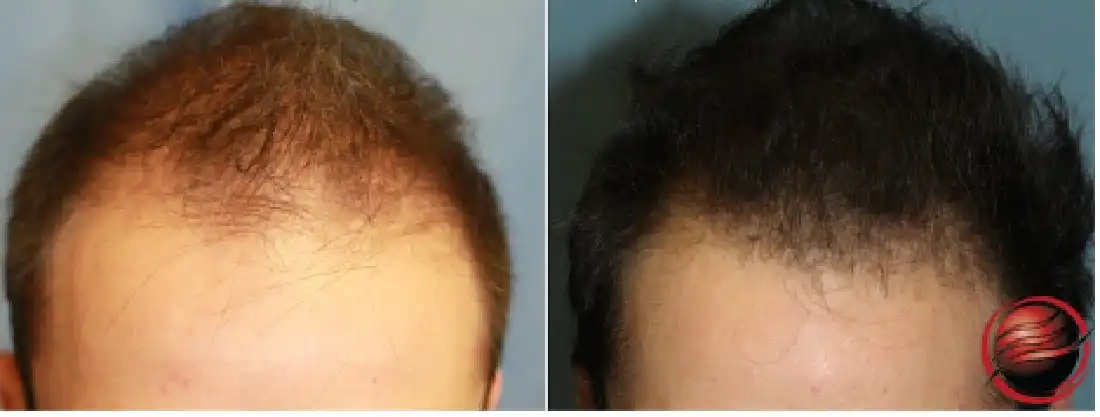
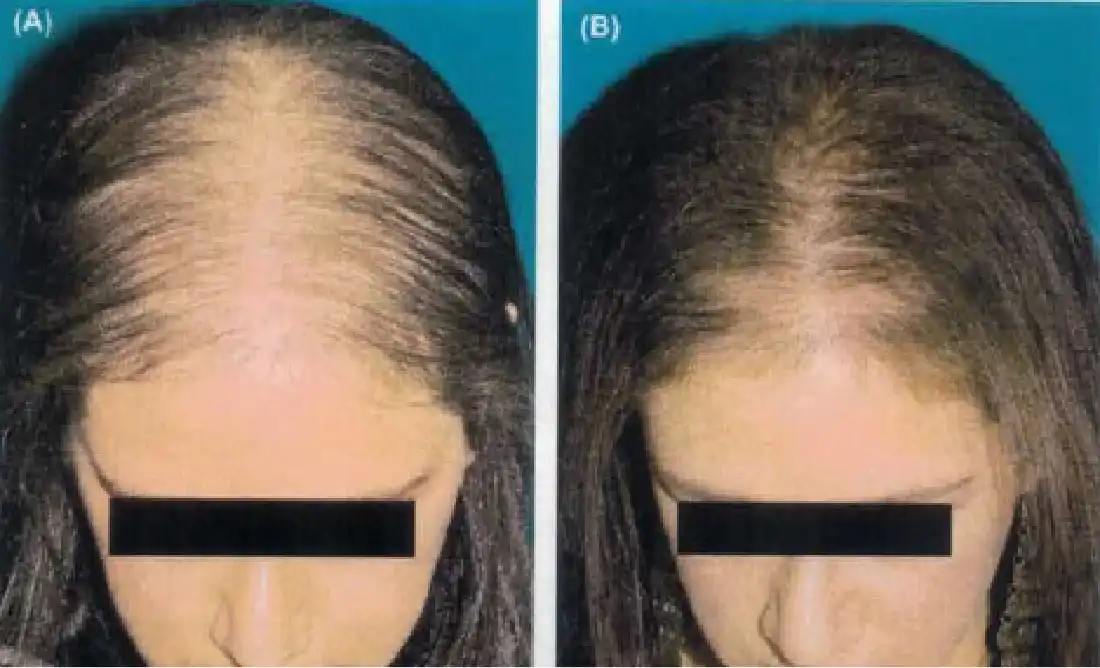
Results may vary. Vampire PRP Hair Restoration is a cosmetic wellness treatment and is not intended to diagnose, treat, cure or prevent any medical condition. Always consult your physician before beginning any therapy programme, particularly if you have underlying health conditions contributing to hair loss.