
Cryotherapy: Relief for Sciatica Pain
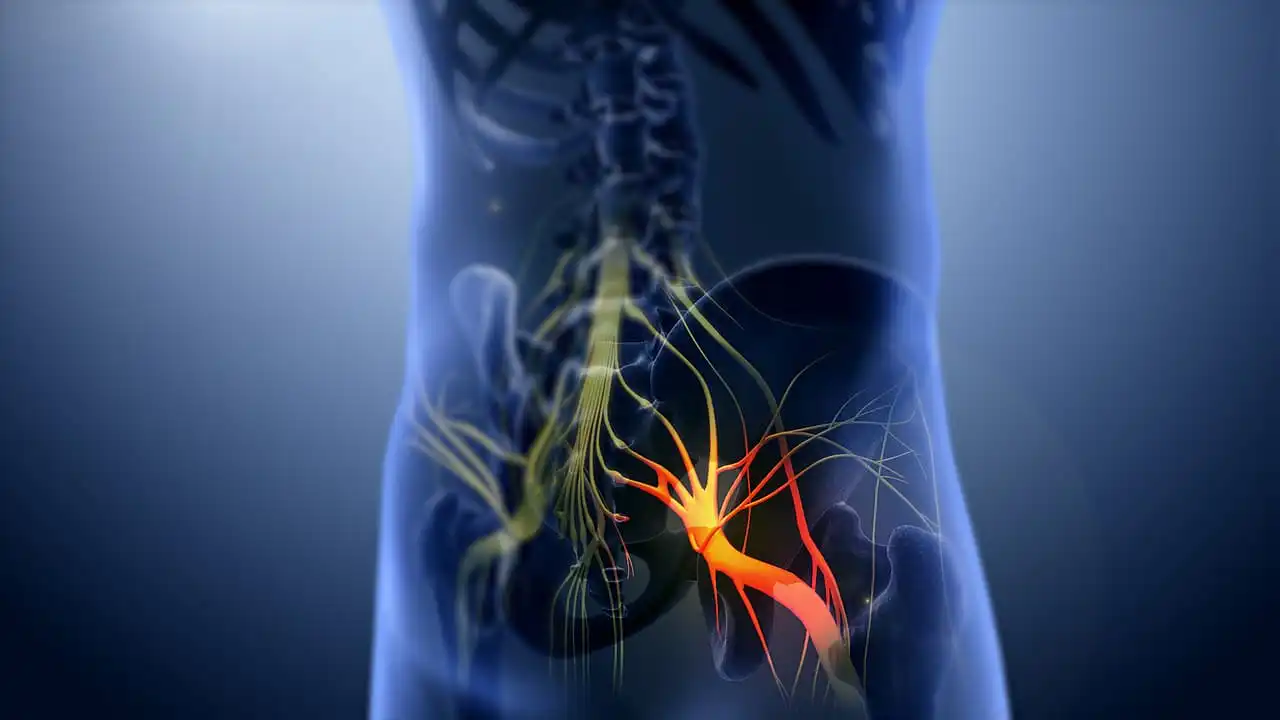
Starting in the lower back, the sciatic nerve winds downward through the buttocks and farther down into both legs. Most of the time, few people are aware of the nerve’s existence. However, when common irritants like a bone spur or a disk that has herniated become apparent, sciatic pain can be incredibly severe and can lead to other problems like inflammation and even numbness. Most of the time, only one leg is affected, with symptoms that can include lower- and upper-leg pain, some numbness, and, in rare cases, severe pain that affects daily activities.
Unfortunately, many cases of sciatica linger, some for even more than a week. This can be problematic for people whose discomfort interferes with their occupations or lifestyles. The problem is compounded by the limited choices in sciatica pain relief treatment options. Aside from surgery, if nerve compression is apparent, home care is the only option for relief that most people are aware of. Home care for sciatica includes hot and cold packs, braces, topicals, and medications.
Over-the-counter medications are often the first thing people reach for to assist in sciatica pain relief. They can be effective in reducing inflammation, which can be an underlying cause of the problem, and can also provide relief from discomfort. Pharmaceuticals are not a viable long-term solution for pain management as they impart significant side effects. They may provide short-term relief for severe pain from the sciatic nerve, but are only a very temporary solution due to their long-term use risks.
Ice packs are another option for managing sciatic pain. Ice packs can be an effective intervention, but require a significant time commitment and can be uncomfortable and damaging to the skin. Ice packs require direct application to the skin. The temperature of ice hovers around 32°F — this is actually very warm compared to the -220°F temperatures achieved in both the cryosauna and local cryotherapy.
Braces provide a step up in treatment, thanks to their injury-prevention nature. When used to provide support and restrict movement in areas like the knee and ankle, braces can help reduce the risk of injury that could worsen sciatic nerve-related discomfort. Additionally, by preventing unnatural or damaging movements, braces can help reduce the risk of sudden, intense pain caused by movements that affect the source of sciatic nerve pain. Unfortunately, braces also make movement difficult, are hard to sleep in, and may restrict therapeutic movements like stretching. Since the benefits of braces are more associated with risk prevention than sciatica pain relief, their use is limited for this purpose.
Whole body cryotherapy is an excellent alternative treatment for sciatica that is non-invasive and non-pharmaceutical. Whole-body cryotherapy, the brief exposure of the skin to cold temperatures, is thought to help trigger numerous healing and beneficial processes throughout the body. The therapy is used in everything from spinal injury rehabilitation to post-performance recovery in athletes. Celebrities like Tony Robbins use it regularly for energy boosts and to reduce inflammation. It’s frequently hailed as one of the only effective forms of relief for people suffering from chronic lower back pain and other recurring discomfort. In fact, cryotherapy in physiotherapy is becoming increasingly more common. Originally intended to help relieve hip pain and ease other discomfort from rheumatoid arthritis, the benefits of all-encompassing cold therapy have now greatly expanded to include a wide range of problems and conditions.
In terms of sciatica pain relief, it’s thought that whole-body cold therapy can work in multiple ways. Cold therapy can provide immediate relief in some cases by reducing pain sensations in nerves, including the sciatic nerve. Additionally, reducing inflammation can help alleviate discomfort and might even address the underlying cause of sciatica. In the long term, repeated treatments in a cryosauna may prompt the body’s repair processes to help heal damaged areas that affect the nerve. It’s thought that cryotherapy affects the body’s nervous, endocrine, and immune systems, contributing to the procedure’s benefits. Therefore, cryotherapy may be an excellent option for sciatica pain relief, especially if symptoms persist beyond a week or don’t improve with standard home treatment.