
Relieve Shingles Symptoms with Cryotherapy
Chicken Pox Strikes Again
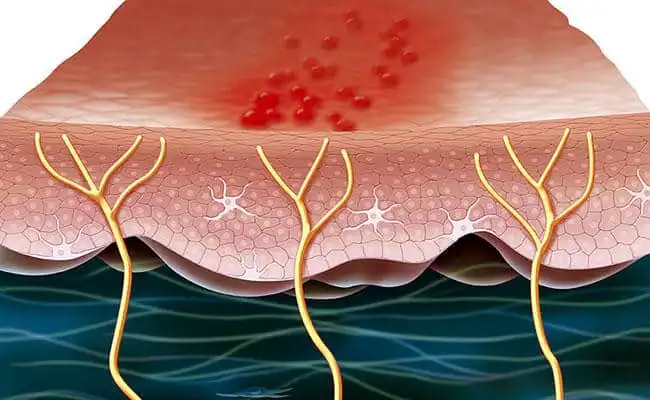
Shingles is a painful condition caused by the varicella-zoster virus — the same virus that causes chickenpox. The virus can lie dormant in the nervous system for years and reactivate due to stress or other factors. The virus infects nerves and travels through nerve pathways to manifest on the skin as a painful rash.
According to the National Vaccine Information Center, shingles causes inflammation of the nerves, which leads to a painful rash, fever, and headache. Sometimes the pain (called postherpetic neuralgia or PHN) persists even after the rash is gone. This can occur if inflammation persists or there is nerve damage in the form of scar tissue.
Shingles usually affects one side of the body, face, and torso. Symptoms include pain, burning, numbness, or tingling in these areas. People with shingles may be sensitive to light and touch. Shingles often manifests as a red rash with fluid-filled blisters. These can be very painful, and shingles is considered contagious while the rash is present. Fatigue often accompanies shingles, as does fever and headache. People in the early stages of shingles may feel like they have the flu.
It is important to emphasize that shingles are contagious only through direct contact with the active rash. Anyone who is immune to chickenpox will also be immune to shingles. As soon as the rash and blisters dry out, they are no longer contagious. If the virus is spread, however, the infected person develops chickenpox, not shingles.
Older people (over 50) are at higher risk of developing shingles, although anyone who has ever had chickenpox can develop it. Individuals with HIV/AIDS and cancer are at a higher risk of developing the condition. Additionally, taking certain medications such as organ transplant drugs or steroids increases the risk for shingles.
Shingles pain is due to nerve inflammation. Postherpetic neuralgia (persistent nerve pain) occurs when this inflammation becomes chronic. Inflammation can also damage nerves, leading to permanent pain. It is highly advisable to reduce shingles-related inflammation as quickly as possible to avoid permanent nerve damage and potential long-term pain.
The shingles virus can also lead to vision loss. If the virus infects the eye, associated inflammation can damage the optic nerve, leading to vision loss.
Neurological problems are also possible with a shingles outbreak. Depending on which nerves are affected, shingles can cause brain inflammation (encephalitis), facial paralysis, or hearing and balance problems.
Pharmaceutical treatment for shingles includes anti-virals, topical anesthetics, and numbing agents. Shingles is a painful condition and can lead to depression; antidepressants may be recommended. To help prevent chronic inflammation, corticosteroids may be prescribed. These pharmaceuticals cannot be used in the long term and have significant side effects.
Whole-body and local cryotherapy can effectively reduce pain and inflammation associated with a shingles outbreak without the use of pharmaceuticals. Whole-body cryotherapy reduces systemic inflammation, thereby relieving shingles-related nerve pain. Local cryotherapy can be applied directly to areas of the shingles rash to reduce pain and inflammation. It is recommended to start cryotherapy treatment as soon as possible after the shingles rash occurs in order to halt the progression of inflammation and associated pain. By addressing inflammation early in the shingles process, it may be possible to avoid long-term pain (PHN) and other complications (see above).
In addition to suppressing inflammation and inflammation-related pain, cryotherapy reduces pain by interrupting the pain pathway from inflamed or damaged nerves to the brain. According to the “pain-gate theorem”, cold sensation travels to the brain faster than pain. Cold effectively “closes the gate” to the brain, preventing the brain from perceiving the pain. Cold temporarily disrupts the nerve pain pathway; repeated disruptions can lead to permanent pain relief.
Whole body cryotherapy is proven to relieve depression, improve sleep patterns, and elevate mood. This is a great treatment for shingles sufferers who live with chronic pain. Additionally, whole body cryotherapy increases physical and mental energy, reducing shingles-related fatigue.
The key to shingles recovery is prompt cryotherapy: by reducing inflammation and pain quickly, long-term complications can be avoided. We suggest initiating cryotherapy treatment as soon as shingles is diagnosed. If the shingles rash is active, it is advisable to cover it until it has healed sufficiently to be non-contagious and dry. Once the rash has dried, exposure during whole-body cryotherapy is highly recommended, as it will instantly reduce pain and topical inflammation.
Shingles is extremely painful and can possibly lead to long-term pain and suffering. Cryotherapy offers a non-pharmaceutical, non-invasive solution to reducing the pain and inflammation that occurs due to shingles. Please call ChillRx if you suspect shingles infection, and we will provide a treatment program to halt the progression and accelerate recovery.